Connecting technologies. Enabling collective intelligence

Collaborative Intelligence for the Age of Mind Fabric

HiveIntel is engineering a new layer of digital infrastructure—what we call Mind Fabric—a distributed foundation for human-machine collaboration, autonomous reasoning, and collective cognition.

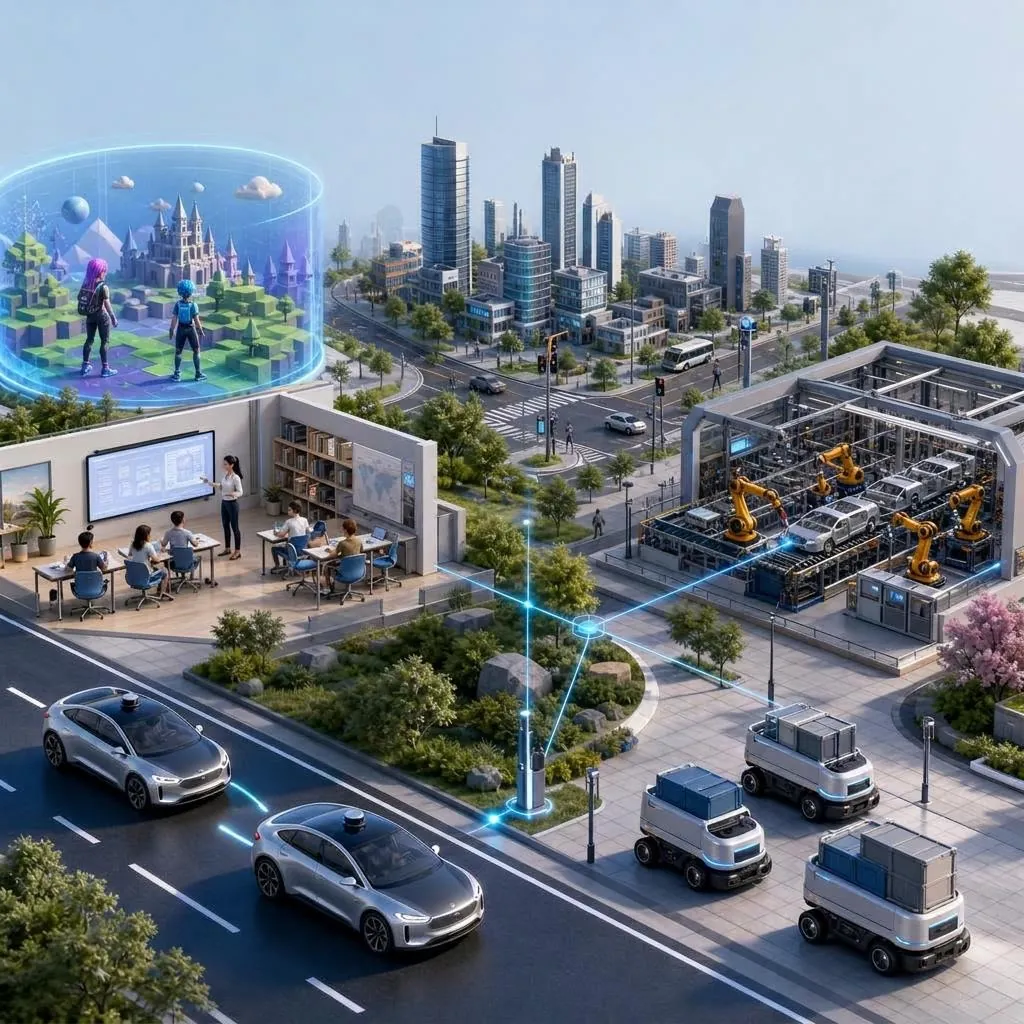
Abstract illustration of connected intelligence nodes

What We Provide Mind Fabric

Sense. Understand.
Coordinate.

Live signals become shared context, then coordinated action.

Typed knowledge graph connecting intended application domains Agent performs Task; Task requires Knowledge; Agent is governed by Policy; Task uses Context; Context enriches Knowledge. A subtle cyan link joins Context to the central junction in the scene’s ground network. The scene represents intended target applications, not verified deployments. performs requires governed by uses enriches Agent Task Knowledge Policy Context Shared knowledge graph Directed relationships: Agent performs Task; Task requires Knowledge; Agent is governed by Policy; Task uses Context; Context enriches Knowledge. A subtle cyan link joins Context to the central junction in the scene’s ground network. Intended application domains, not verified deployments. performs governed by requires uses enriches Agent Task Policy Knowledge Context
01 SENSE

SwarmDS

Captures and processes edge signals.

More details

The sensory layer of Mind Fabric: capturing, processing and transmitting data from Internet of Things (IoT) devices and edge systems, close to where signals originate.

What it contributes

  • Run local computation with autonomy
  • Scale secure data flows
  • Maintain live digital twins

Relevant research

Thematic connection: SIXG investigates elastic data streaming and real-time processing across devices, edge and cloud.

Explore SIXG’s edge-data research

Thematic connection only; not evidence of deployment or funding.
02 UNDERSTAND

Knowledge Mesh

Connects information into shared context.

More details

The knowledge core of Mind Fabric: fusing SwarmDS data, public knowledge and domain-specific graphs into composable models with shared context.

What it contributes

  • Fuse semantics across sources
  • Evolve contextual intelligence
  • Abstract patterns for action

Relevant research

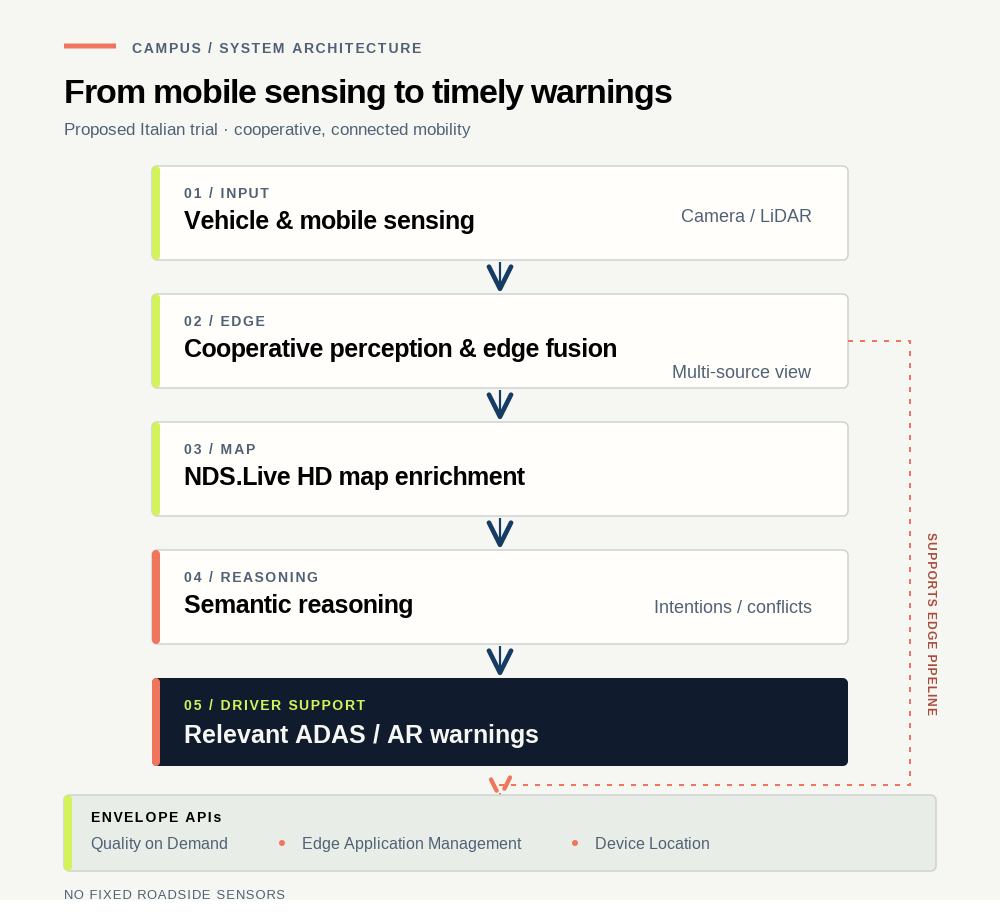
Thematic connection: CAMPUS proposes semantic map enrichment and reasoning to give shared observations context.

Explore CAMPUS’s semantic-map proposal

Thematic connection only; not evidence of deployment or funding.
03 COORDINATE

Proactive Domain Experts

Coordinates policy-aware decisions and action.

More details

Governed, task-aware agents draw on the Knowledge Mesh and connect to SwarmDS at the edge—coordinating decisions within defined policies.

What it contributes

  • Orchestrate policy-aware multi-agent workflows
  • Deploy explainable, battery-safe and safety-aware decision services
  • Integrate domain twins, APIs, and operations systems without vendor lock-in

Relevant research

Thematic connection: SIXG explores AI-driven coordination of workload placement and resources as conditions change.

Explore SIXG’s coordination research

Thematic connection only; not evidence of deployment or funding.
Illustrative robot-fleet example

Low battery + blocked routeshared fleet contextpolicy-checked hand-off

How it works

Keep a robot delivery moving.

A delivery hand-off coordinated by Mind Fabric An isometric delivery scene: a low-battery autonomous mobile robot stops at a blocked path. A shared intelligence layer connects its delivery, site and fleet context; a policy-permitted replacement robot takes the clear route and completes the delivery. LOW BATTERY SHARED CONTEXT PERMITTED DELIVERED
  1. SwarmDS · Sense

    Spot the problem.

    SwarmDS shares live signals: a low battery and a blocked route.

  2. Knowledge Mesh · Understand

    Find an alternative.

    Knowledge Mesh connects the delivery task, site rules and available robots.

  3. Proactive Domain Experts · Coordinate

    Coordinate the hand-off.

    Agents check access and battery policies, then assign another robot—or request operator review.

Outcome: The replacement delivers the part and updates the shared fleet context.

Illustrative scenario—not a verified deployment or measured result.

Why HiveIntel?

We're building Mind Fabric to connect technologies and enable collective intelligence across:

Intended application domains

  • Vehicle and robot fleets
  • Education
  • Smart cities
  • Manufacturing
  • Online games and virtual worlds

Our Projects

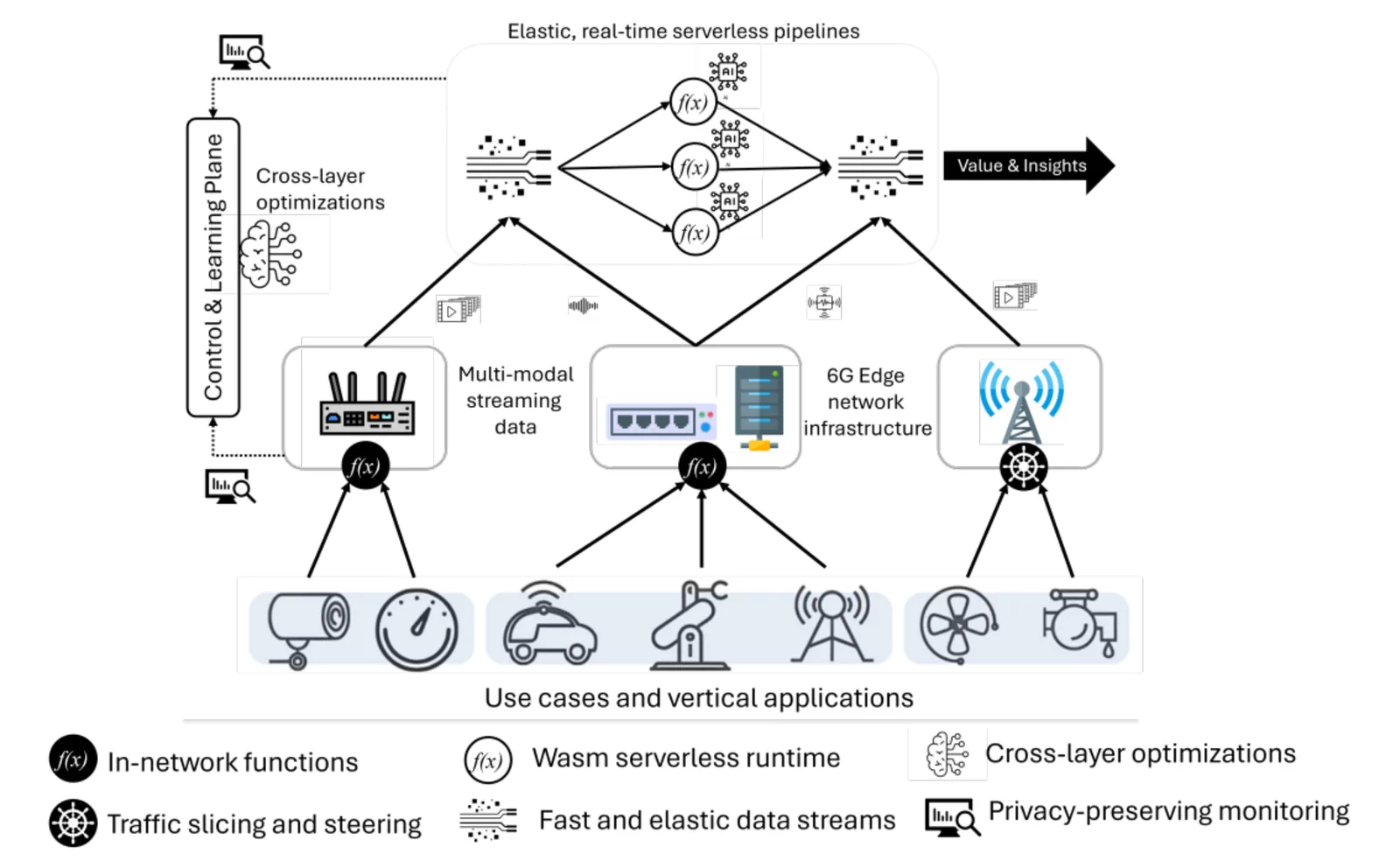
SIXG architecture linking devices, edge infrastructure and cloud through serverless pipelines

Research project

SIXG

SIXG connects real-time serverless computing with programmable 6G networks across devices, the edge, and the cloud. Seven partners explore elastic data streaming, WebAssembly, secure infrastructure, O-RAN slicing, and AI-driven optimization, with planned demonstrations in smart manufacturing and connected mobility.

View Project Details Official SIXG website
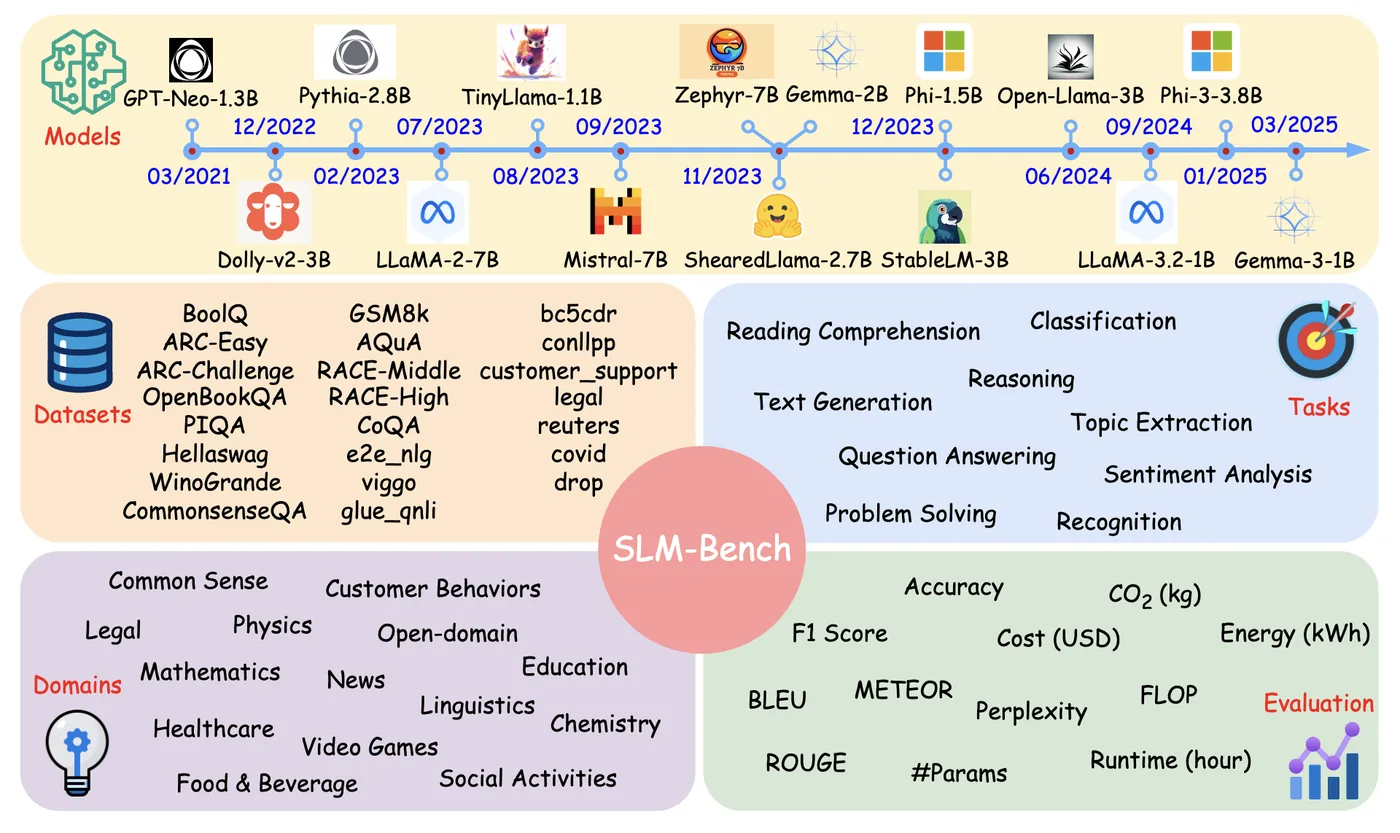
Small Language Model benchmarking

September 2025

SLM Swarm

Ship reliable language capabilities on constrained hardware—without guessing the cost to run it. Energy-aware Swarm Intelligence with SLMs is an energy- and efficiency-aware benchmarking product for Small Language Models. It helps you compare SLMs across quality, latency, cost, power, and carbon, so you can pick (or route to) the right model for every device, budget, and workload.

View Project Details
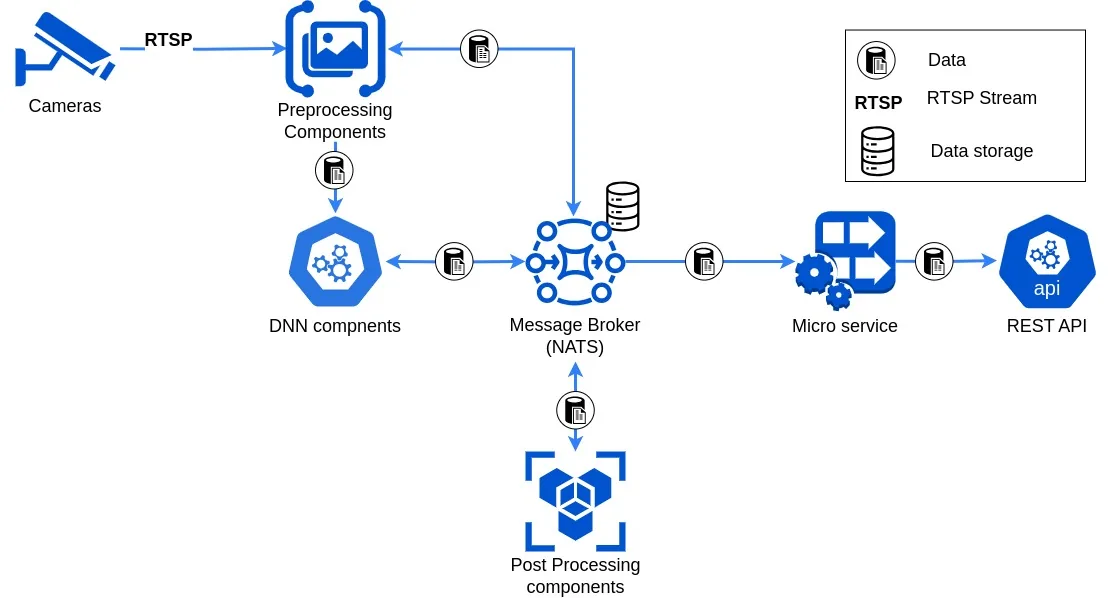
TrafNet architecture: cameras, preprocessing, neural-network components and a message broker

Dec 2024 – Aug 2025

TrafNet

TrafNet is a data-driven platform that delivers real-time insights on traffic patterns and mobility trends. It helps organizations monitor, analyze, and optimize transportation systems for safer and more efficient movement.

View Project Details
SV2G-Twin project

April 2026

SV2G-Twin

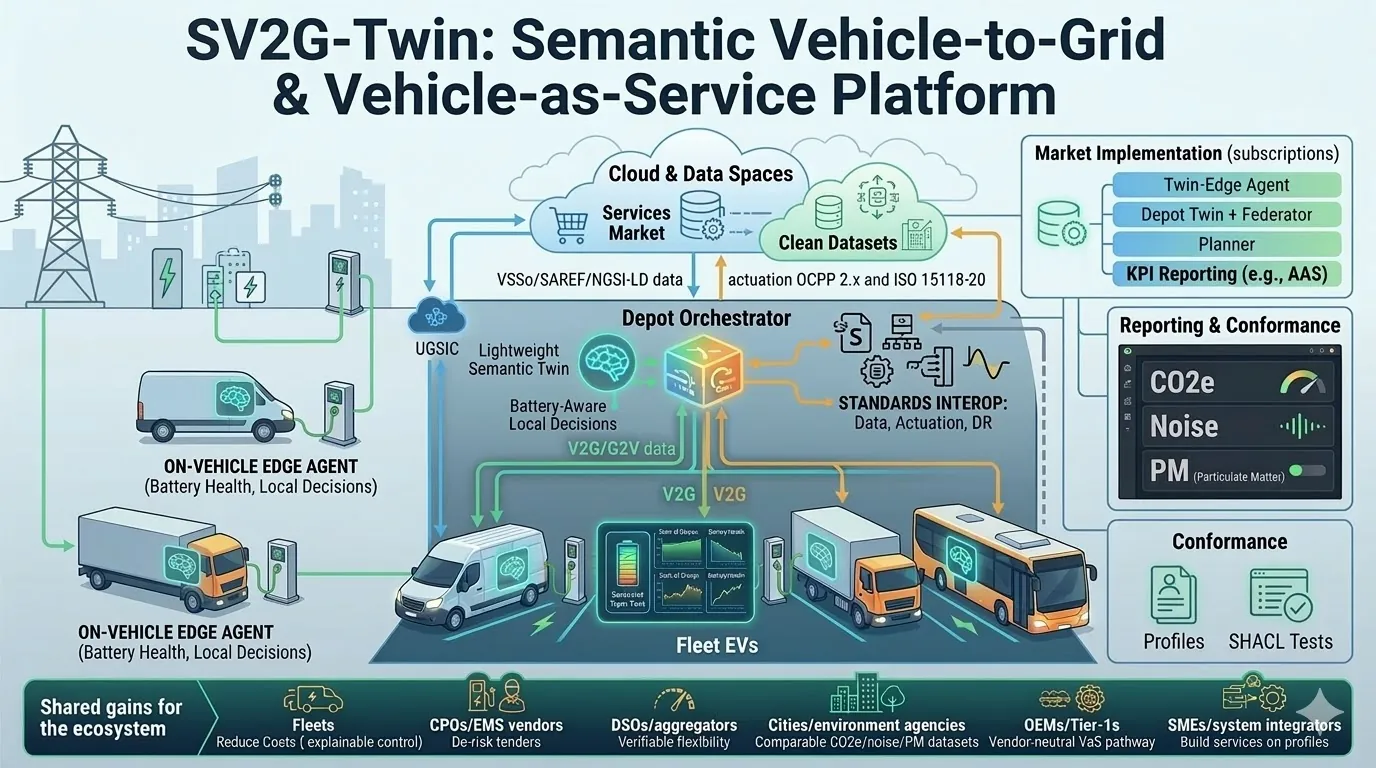
SV2G-Twin turns fleet electric vehicles into safe, software-defined energy assets. Semantic twins run locally in vehicles while a depot orchestrator coordinates charging, discharging, and demand response with open standards for interoperability, compliance, and scalable EU rollout.

View Project Details
CAMPUS connects mobile sensing, edge fusion, semantic maps, and driver warnings

Proposed experiment

CAMPUS

CAMPUS proposes cooperative perception that turns vehicle and mobile sensor observations into enriched HD maps and relevant driver warnings. HiveIntel would contribute semantic reasoning and efficiency-aware edge AI, connecting mobility applications with ENVELOPE network APIs.

View Project Details

Our Partners